The Noon Omakase: Why Lunch Is Becoming the Counter’s Quietest Luxury

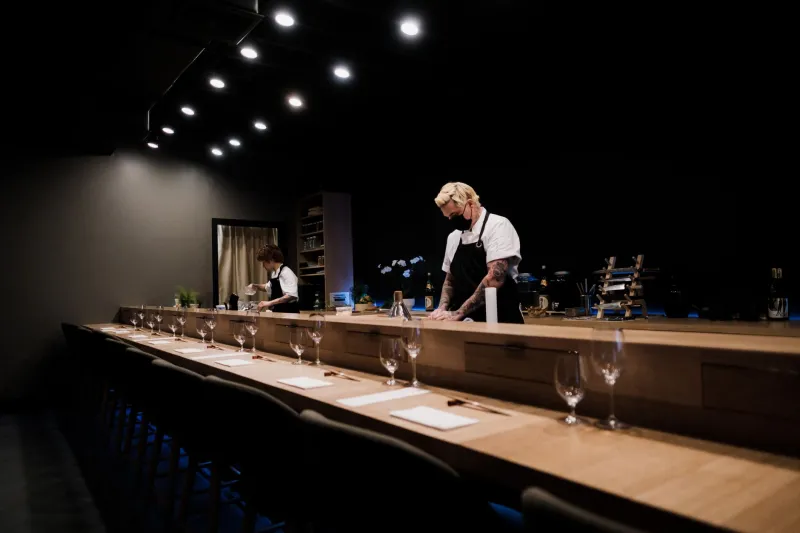
Photo: sunlit sushi omakase counter at lunch with chef preparing nigiri and empty seats, via www.randalljhodges.com
At noon, a sushi counter looks different. Daylight reaches the room in a way it never does at dinner. The pace is softer. The seats fill more slowly. The chef’s movements are the same—precise, measured, unhurried—but the room around them has changed. In the United States, lunchtime omakase is becoming less of a compromise and more of a destination in its own right.
For years, the American assumption was that omakase belonged to dinner. Lunch was for quicker meals, business appointments, or a bowl of something substantial. That assumption is fading. At premium sushi bars from major cities to smaller culinary markets, the midday counter is attracting diners who want the full attention of the chef without the theater, expense, or late hour of dinner service.
A Different Room at a Different Hour
Atmosphere is not decoration. It is the sum of light, sound, spacing, and pace. At lunch, the room is often quieter. The acoustics change when there are fewer guests. The service team moves with less urgency. The chef may have more time to explain a piece or answer a question. For a first-time guest, that can be the difference between intimidation and understanding.
Design plays a role here. A counter built for dinner may rely on low light and dramatic focus. At noon, the same room can feel exposed if the lighting is not considered. The best lunch counters adjust: softer daylight, a calmer playlist, a service rhythm that does not rush the guest toward the check. The luxury is not in excess. It is in attention.
How Chefs Build the Midday Menu
Lunch omakase is not simply dinner with fewer courses. Chefs approach the midday menu with a different structure. The sequence may be shorter—perhaps ten to fourteen pieces rather than eighteen or twenty—but the precision remains. The opening may be lighter. The pacing may be a little more compact. The goal is a complete experience, not a truncated one.
That structure affects sourcing as well. A lunch menu may lean on fish that is at its best that day rather than on a long reserve of luxury ingredients. It may include a few cooked or cured courses that can be prepared efficiently without compromising quality. The rice is the same rice. The knife work is the same knife work. The difference is in scope, not standards.
At Ikeda Osushi, the midday counter is conceived as its own service rather than a rehearsal for dinner. The room is calmer, the sequence is tighter, and the guest is invited to pay attention in a different way. For some diners, that is the ideal introduction to omakase. For others, it is simply a better fit for the day.
The Value Equation
Lunch omakase is often described as a value, but the word needs care. It is not inexpensive. It is, however, often more accessible per course than dinner. A shorter menu means a lower total check. A smaller beverage pairing means less commitment. The reservation may be easier to secure. For a diner who is curious about the counter but not ready for a multi-hour dinner, lunch can be the smarter entry point.
The value is also temporal. A midday meal fits into a workday, a solo afternoon, or a visit to the city. It does not require the entire evening. That makes it attractive to business travelers, local professionals, and visitors who want a memorable meal without rearranging their schedule. The luxury is not only in the food. It is in the fit.
Who Lunch Serves
Lunch omakase tends to attract a different mix of guests. There are first-timers who want to learn. There are experienced diners who prefer a quieter room. There are solo guests who feel more comfortable at noon. There are couples who want a serious meal without a late night. The counter becomes a place for conversation, observation, and a measured pace.
That mix changes the service. A chef may spend more time explaining the fish. The staff may read the table differently. The room may feel more instructional without becoming a lecture. For an American audience still learning the rhythms of premium sushi, that can be valuable. The counter is not a test. It is a place to build understanding.
What First-Timers Should Expect
A first-time lunch guest should ask three questions before booking: How many courses are served? How long does the meal typically take? Is the same chef leading the counter as at dinner? The answers will clarify whether the experience is a compact introduction or a full midday sequence.
It is also wise to ask about beverage pairings. A lunch pairing may be shorter, but it should still be designed with the food in mind. Ask about dietary restrictions in advance. Ask whether the pace can be adjusted. At the counter, communicate early rather than waiting until the meal is underway.
Finally, do not expect lunch to be dinner at a discount. Expect a different service with its own logic. The room is brighter, the rhythm is tighter, and the meal is often more intimate. For many American diners, that is precisely the appeal. The noon omakase is not the lesser seat. It is the quiet one.