Ginger Is Not a Garnish: Seven Sushi Counter Myths Worth Retiring
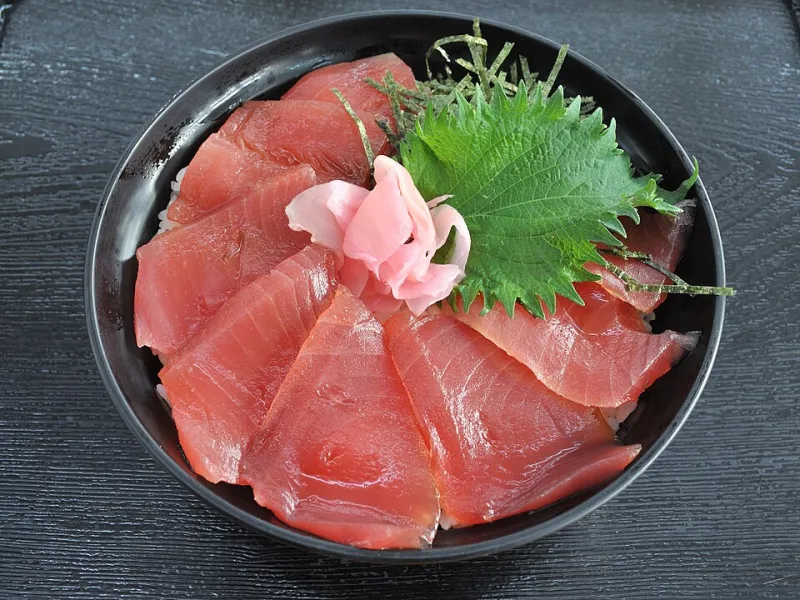
Photo: Ocdp, CC0, via Wikimedia Commons
American diners have become more comfortable at the sushi counter, but comfort has not erased every piece of inherited advice. Some of it is useful. Some of it is repeated so often that it begins to sound like law. At a high-end counter, the goal is not to perform etiquette perfectly. The goal is to eat well, pay attention, and let the chef do the work.
What follows are seven persistent myths that deserve a respectful retirement. None of them requires a diner to become casual about the meal. They simply separate custom from unnecessary anxiety.
Myth One: Ginger Is a Garnish for the Sushi
Ginger—gari—is not a topping. It is a palate cleanser, meant to be eaten between pieces rather than piled onto nigiri. A slice of pickled ginger on top of a carefully seasoned piece of fish obscures the chef’s work and changes the balance of the bite. Diners who enjoy ginger with sushi may eat it alongside, but it should not become a garnish. At a premium counter, the rice, fish, and seasoning have already been composed. Ginger belongs at the edge of the plate, not on the centerpiece.
Myth Two: Silence Means Something Is Wrong
A quiet counter is not a failed dinner party. Much of the atmosphere at a serious sushi bar comes from concentration: the chef’s hands, the sound of the knife, the faint movement of the service team. Conversation is welcome. Silence is also welcome. American diners often feel pressure to fill every pause, but at the counter, a little quiet can be a sign of respect rather than awkwardness. Read the room. If the chef is plating a delicate course, let the moment stand.
Myth Three: Wasabi Must Be Mixed Into Soy Sauce
The wasabi-soy sauce paste is a familiar ritual, but it is not a requirement. At a high-end counter, the chef usually seasons each piece with wasabi already, calibrated to the fish. Mixing additional wasabi into soy sauce can overwhelm the delicate balance of the bite. If a diner wants more heat, it is better to ask for a small amount of fresh wasabi on the side. The chef can then decide how much to add. The old paste is not a rule; it is a habit.
Myth Four: Soy Sauce Belongs on Everything
At a premium sushi counter, soy sauce is not a universal condiment. Many pieces are already seasoned. Dipping the rice side into soy sauce can make the rice soggy and dominate the fish. If soy sauce is offered, the better approach is a light touch on the fish side, and only when the piece seems to call for it. The most useful question is not whether soy sauce is allowed, but whether this particular bite needs it. Often, it does not.
Myth Five: Every Piece Must Be Eaten in One Bite
Nigiri is often designed to be eaten in one bite, but the rule is less rigid than many diners believe. The point is proportion: the chef wants the guest to taste fish, rice, and seasoning together. If a piece is too large for comfort, taking two bites is not a moral failure. What matters is not dismantling the piece or separating the fish from the rice. Eat with intention, not with strain.
Myth Six: You Must Not Ask the Chef Questions
Respectful curiosity is part of counter dining. A good chef does not expect a silent congregation. Questions about the fish, the seasoning, or the origin of an ingredient are usually welcome, provided they are asked at the right moment. Avoid interrupting during plating or while the chef is finishing a delicate sequence. Ask between pieces. Keep the question focused. A brief exchange can deepen the meal; a long interview can disrupt it.
Myth Seven: Chopstick Rules Are Byzantine
Chopstick etiquette has real boundaries, but it is not a maze. Do not stab food. Do not pass food from chopstick to chopstick. Do not point with them. Rest them on the holder when not in use. At many counters, eating nigiri with your hands is perfectly acceptable and often preferred. The point is not to memorize a rulebook. The point is to avoid gestures that are distracting or disrespectful.
The Larger Point
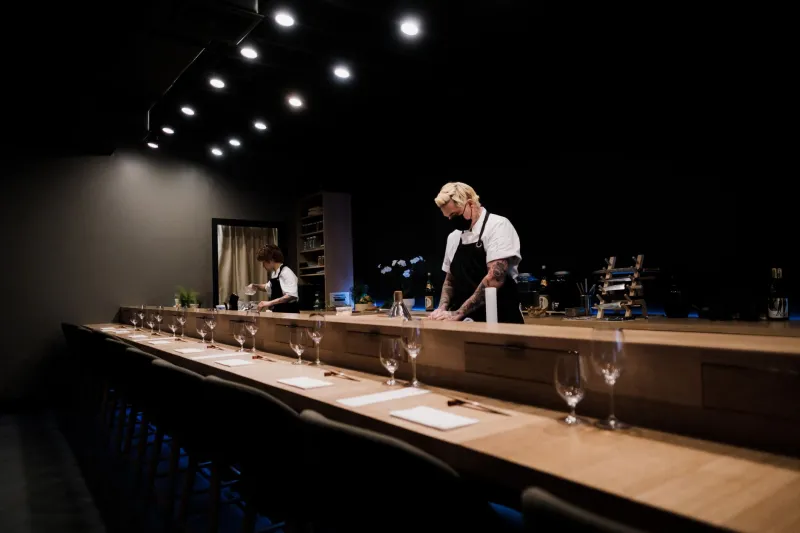
Etiquette at the sushi counter should make the meal easier, not more self-conscious. The best American diners are not the ones who perform the most rules. They are the ones who pay attention, eat at a reasonable pace, and treat the chef and the food with care. At Ikeda Osushi, the counter is designed for that kind of attention: a place where precision is visible, but where the guest is not asked to become a performer.
Myths survive because they offer certainty. But a meal at a serious counter is not a test. It is a conversation between chef, ingredient, and guest. The fewer unnecessary rules a diner carries to the counter, the more room there is for the meal itself.