Coastal Roots, Refined Flavors: How Japan's Regional Sushi Traditions Transform the American Table
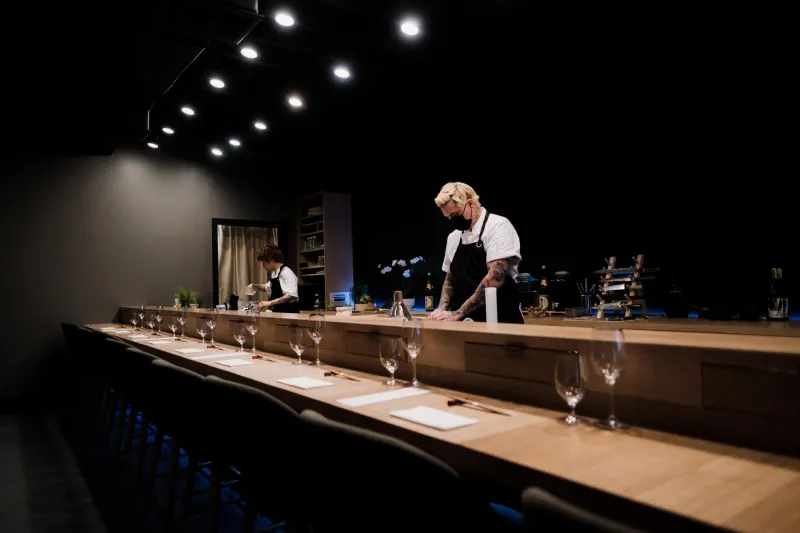
Ask a first-time guest at a premium sushi counter what they expect, and the answer tends to be reassuringly consistent: pristine fish, carefully seasoned rice, and a quiet atmosphere that commands attention. What fewer guests anticipate is the degree to which geography—specifically, the coastal and culinary geography of Japan—shapes every nuance of that experience. Sushi is not a single, uniform tradition. It is an archipelago of distinct regional philosophies, each carrying its own relationship to ingredients, technique, and the passage of time.
At Ikeda Osushi, our culinary direction draws deliberately from these regional lineages. Understanding where a sushi tradition originates is, in many ways, the first step toward understanding why a particular piece of nigiri tastes the way it does.
The Edo Inheritance: Tokyo's Legacy of Immediacy
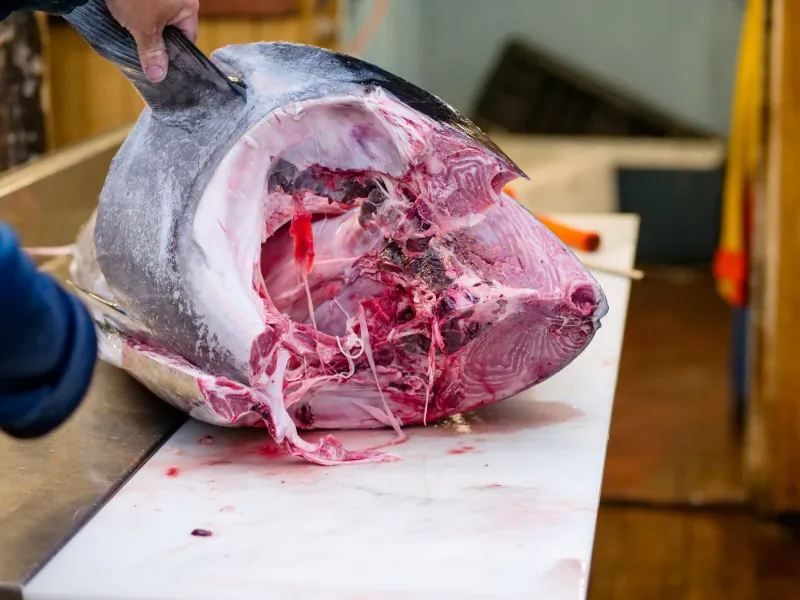
The style most Americans encounter at serious sushi restaurants traces its lineage to Edo—the former name of Tokyo—where sushi emerged as a fast, flavorful street food during the early nineteenth century. Edo-mae sushi, as it is properly called, was born from the waters of Tokyo Bay and shaped by the practical demands of a bustling urban population.
What distinguishes Edo-mae technique is its emphasis on preparation over raw presentation. Chefs of this tradition cure fish briefly in salt or vinegar, brush pieces with aged soy-based sauces called nikiri, and apply their own seasoned rice vinegar blend to achieve a sharp, clean acidity in the shari—the rice itself. The result is assertive, purposeful, and designed to be consumed immediately. Each piece is a complete statement.
This philosophy of immediacy informs our approach at Ikeda Osushi. When a chef at our counter shapes a piece of nigiri, the intention is that it reaches the guest within moments, at the precise temperature and texture that brings its flavors into alignment. The Edo tradition does not accommodate delay.
Kansai Sensibility: The Quiet Confidence of Osaka and Kyoto
Move westward along Japan's Honshu coast toward the Kansai region—encompassing Osaka, Kyoto, and Kobe—and the sushi tradition shifts in register. Where Edo-mae is immediate and sharp, Kansai-style preparation is more meditative, relying on extended marination, pressed formats such as oshizushi, and the distinctive influence of kombu kelp.
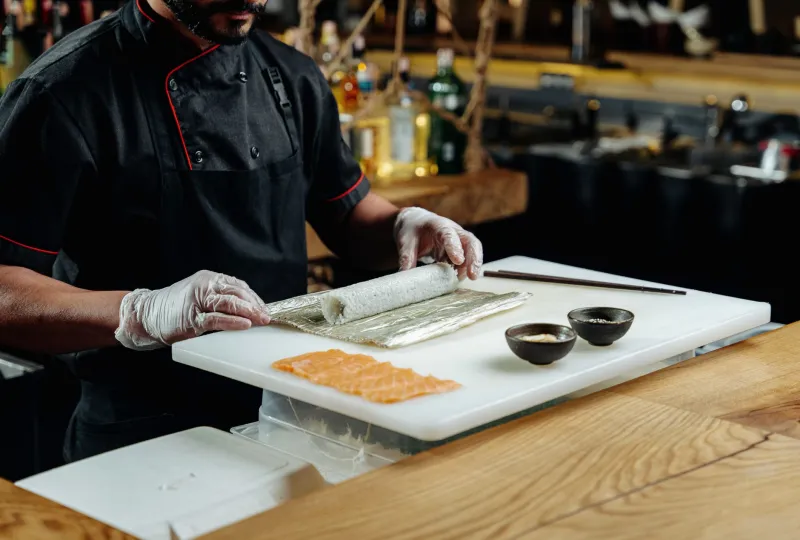
In Osaka, pressed sushi—where fish and rice are layered in a wooden mold and compressed overnight—produces a product of extraordinary density and depth. The flavors are integrated rather than layered, and the kombu used to cure certain fish imparts a mineral, oceanic undertone that lingers long after the first bite. This is sushi designed to reveal itself slowly.
Kyoto's contribution runs through its proximity to the mountains and its centuries-old tradition of preserving coastal fish through salt and fermentation—a practice born of necessity that became, over time, a sophisticated art form. Mackerel cured in salt and then wrapped in pressed rice, known as saba oshizushi, exemplifies the Kyoto approach: restraint applied with absolute confidence.
At Ikeda Osushi, we incorporate Kansai-inspired elements in select seasonal preparations, particularly when sourcing permits us to work with fish whose flavor profiles benefit from the slower, more integrated curing methods that define this regional tradition.
The Northern Influence: Hokkaido and the Cold-Water Advantage
No discussion of Japanese regional sushi traditions is complete without acknowledging Hokkaido, Japan's northernmost main island and the source of some of the country's most celebrated seafood. The cold waters surrounding Hokkaido produce sea urchin—uni—of a richness and sweetness that has no equivalent in warmer climates. Hokkaido's scallops, salmon, and snow crab carry a density of flavor attributable directly to the slow metabolism of cold-water marine life.
For American diners accustomed to the briny, sometimes bitter uni available from California or Maine, Hokkaido's Murasaki and Bafun varieties represent a revelation. The former offers a delicate, custard-like sweetness; the latter, a more concentrated, oceanic intensity. At Ikeda Osushi, sourcing decisions for uni are made with this regional specificity in mind. The prefecture of origin is not incidental—it is determinative of the guest experience.
What Regional Awareness Means for the American Diner
The American sushi market has matured considerably over the past two decades. Guests at high-end counters in cities like New York, Los Angeles, Chicago, and San Francisco increasingly arrive with genuine curiosity about provenance—not only the species of fish on their plate, but its origin, its handling, and the culinary tradition that frames its presentation.
This shift creates an opportunity for restaurants willing to engage seriously with regional Japanese sushi history. Rather than presenting sushi as an undifferentiated category, chefs and restaurateurs can offer guests a genuine narrative: this preparation reflects the Edo tradition of seasoned, immediately consumed nigiri; this pressed preparation draws from Osaka's oshizushi heritage; this uni comes from Hokkaido waters and will taste unlike anything sourced from a warmer sea.
At Ikeda Osushi, this kind of contextual storytelling is woven into the dining experience itself. Our chefs are prepared to speak to the regional inspirations behind each course, not as a performance of expertise, but as an honest account of the decisions that shaped what is on the plate.
Geography as Philosophy
There is a tendency in American dining culture to treat authenticity as a fixed destination—a single correct way to prepare a dish, waiting to be discovered and replicated. Japanese regional sushi traditions complicate and ultimately enrich this instinct. Authenticity, in this context, is not a single point on a map. It is a coastline.
Each prefecture, each bay, each generation of chefs working within a local tradition contributes to a living, evolving body of knowledge. When Ikeda Osushi draws from these regional lineages, the goal is not imitation but informed interpretation—an honest engagement with the geographic and cultural conditions that produced some of the world's most refined culinary practices.
For the guest seated at our counter, this means that every piece of sushi carries a story that extends far beyond the kitchen. It reaches back to the fishing villages of Hokkaido, the pressed-sushi shops of Osaka, and the Edo-mae stalls that once lined the banks of Tokyo Bay. To understand that story is to taste it more completely.