Before the First Bite: The Rigorous Journey That Brings Sushi-Grade Fish to American Tables
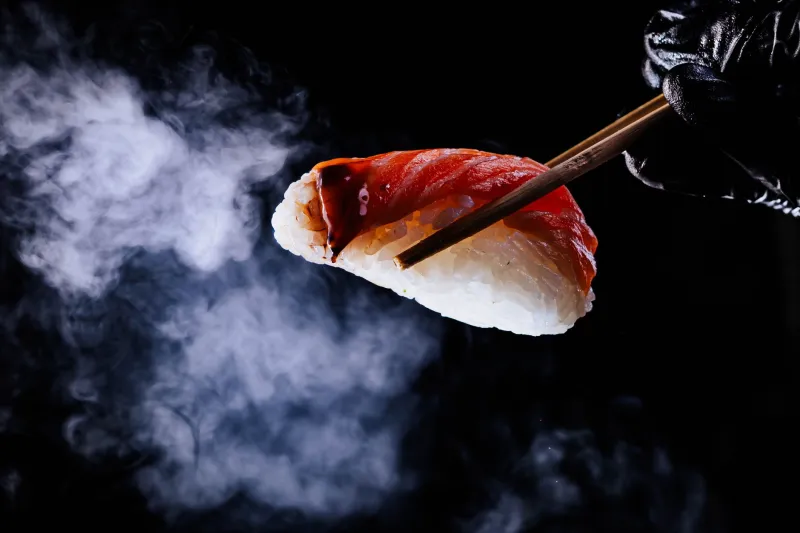
The single piece of tuna resting atop your nigiri may have traveled thousands of miles, passed through multiple inspections, and been subject to strict cold-chain protocols before it arrived at your table. Understanding that journey — and what distinguishes genuinely sushi-grade seafood from ordinary fish — is essential for any American diner who takes quality seriously. Ikeda Osushi has built its sourcing philosophy around exactly this transparency.
What "Sushi-Grade" Actually Means — and What It Does Not
Here is an uncomfortable truth that surprises many American consumers: the term "sushi-grade" carries no official regulatory definition in the United States. The Food and Drug Administration does not certify fish with this designation. No federal agency awards the label. In practical terms, any fishmonger or restaurant can apply it to any product.
What does exist, and what responsible sushi establishments adhere to, is an FDA guideline requiring that fish intended for raw consumption be frozen at specific temperatures for defined periods of time. This parasite destruction protocol — freezing fish at -4°F (-20°C) for at least seven days, or at -31°F (-35°C) for 15 hours — is the closest thing to a federal standard in this space. Tuna species are notably exempt from this requirement due to their naturally low parasite risk, but virtually all other raw fish served in reputable sushi restaurants have undergone this process.
The informal industry standard for "sushi-grade" fish, then, is a combination of this freezing protocol, verified freshness at point of harvest, impeccable cold-chain management during transport, and the professional judgment of experienced buyers. It is a constellation of practices rather than a single certification — which is precisely why sourcing relationships matter so deeply.
The Geography of Premium Seafood
Japan's seafood markets, most famously the Toyosu Market in Tokyo (successor to the legendary Tsukiji), remain global benchmarks for quality and transparency. Fish sold at Toyosu is graded with extraordinary precision — buyers evaluate color, fat content, texture, and smell before dawn each morning, often paying extraordinary premiums for the finest specimens.
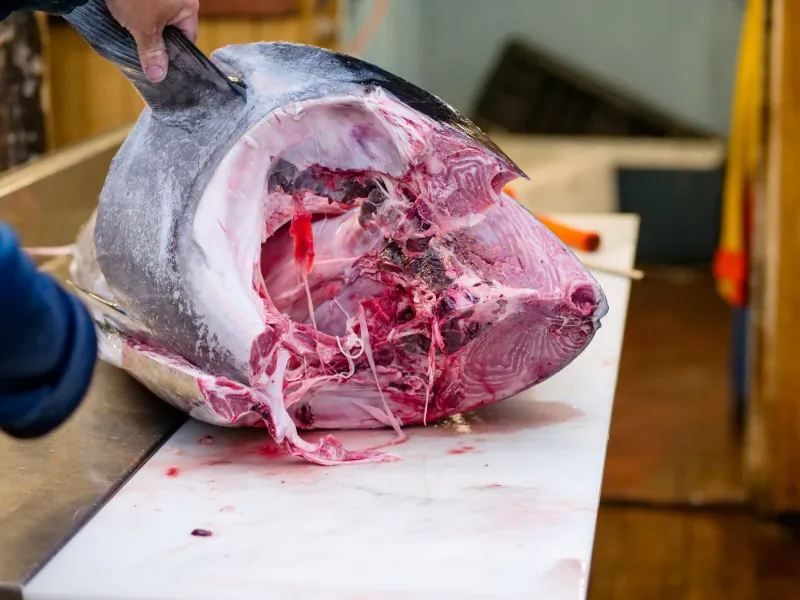
For Japanese-style sushi restaurants operating in the United States, this standard creates both inspiration and logistical complexity. Premium bluefin tuna (hon maguro), for instance, may originate from the waters off Spain, Canada, or Japan itself. Yellowtail (hamachi) is frequently farm-raised in Japan under carefully controlled conditions and air-freighted to American distributors within 24 to 48 hours of harvest. Wild salmon prized for sushi may be sourced from the Pacific Northwest, one of the few domestic regions producing fish of sufficient fat content and flavor profile for raw service.
Each species carries its own geography, seasonality, and supply chain complexity. A sushi restaurant that serves the same fish year-round regardless of season is almost certainly making compromises on quality. Authentic establishments follow the natural rhythms of the ocean — and so does Ikeda Osushi.
The Cold Chain: Where Quality Is Won or Lost
Freshness in seafood is not a single moment. It is a continuous condition that must be actively maintained from the moment a fish leaves the water until the moment it is sliced for service. The cold chain — the unbroken sequence of refrigeration and temperature-controlled transport connecting harvest to plate — is where the gap between good fish and exceptional fish is most often determined.
For imported seafood arriving in the United States, this chain typically begins with immediate icing or blast-freezing at sea or at the processing facility. The fish is then transported to an airport, loaded into temperature-controlled cargo holds, and flown — usually via Los Angeles, San Francisco, or New York — to domestic distributors who specialize in Japanese seafood. These distributors, often operating within tight-knit networks that have served the Japanese restaurant community for decades, then deliver to individual restaurants, sometimes daily.
A break anywhere in this chain — a delay at customs, inadequate refrigeration during ground transport, improper storage at the distribution level — can degrade a product that was pristine at origin. This is why the most discerning sushi restaurants do not simply order from commodity seafood purveyors. They cultivate ongoing relationships with specialized importers whose entire business model depends on maintaining cold-chain integrity.
Sustainability and the Responsible Sourcing Imperative
The conversation around sushi-grade seafood in the United States increasingly intersects with sustainability, and for good reason. Several species historically central to Japanese sushi menus — Pacific bluefin tuna chief among them — have faced significant population pressures from decades of commercial overfishing. The Monterey Bay Aquarium's Seafood Watch program, widely respected among American consumers and restaurateurs alike, provides science-based guidance on which seafood choices support healthy ocean ecosystems and which do not.
At Ikeda Osushi, sustainability is not a marketing posture. It is a sourcing criterion. When wild-caught options are under population stress, we explore responsibly farmed alternatives that meet our quality standards. Japanese-farmed yellowtail, for instance, is produced under rigorous aquaculture practices that minimize environmental impact while delivering consistent fat content and flavor. Atlantic salmon farmed under certified sustainable programs can rival wild Alaskan alternatives in both taste and responsibility profile.
We also recognize that menu flexibility is an expression of integrity. Rotating our offerings in response to seasonal availability and species health is not an inconvenience — it is the correct response to the realities of ocean ecology. Diners who visit Ikeda Osushi across different seasons will notice these shifts, and we encourage them to ask our staff about the provenance of any fish they encounter.
Reading the Signals of Quality
For American diners who want to develop a more discerning eye for sushi-grade fish, certain visual and sensory cues are worth cultivating. Fresh, high-quality tuna should display a deep, consistent ruby or burgundy hue without brown or gray oxidation at the edges. Fatty cuts like otoro (fatty tuna belly) should show visible marbling — fine white striations running through the red flesh — that signals the intramuscular fat responsible for its celebrated richness.
Whitefish such as flounder (hirame) or sea bream (tai) should appear translucent and glistening rather than opaque or dull. Salmon should carry a vibrant orange color with visible fat lines and should never smell fishy — a pronounced odor indicates oxidation and age, not freshness.
At Ikeda Osushi, our chefs evaluate each delivery against these standards before any fish enters service. Product that does not meet our threshold is not used — a practice that occasionally means a particular item is unavailable on a given evening. We consider this the correct trade-off.
Why Sourcing Is Inseparable from the Dining Experience
It is easy to view ingredient sourcing as a back-of-house concern, invisible to the guest and irrelevant to the experience of sitting down to a beautifully plated meal. In reality, the quality of every piece of nigiri served at Ikeda Osushi is a direct expression of the sourcing decisions made days or weeks earlier — the relationships maintained with importers, the standards applied at receiving, the seasonal adjustments made in response to market conditions.
When you lift a piece of our bluefin nigiri to your lips, you are tasting not just the fish and the rice, but the entire supply chain that brought them together with care. That chain, when managed with discipline and transparency, is what separates a genuinely authentic sushi experience from an approximation of one. We invite you to taste the difference — and to ask us, anytime, exactly where your fish came from.