Beyond the Wine List: How Sake Unlocks a New Dimension in Sushi Pairing
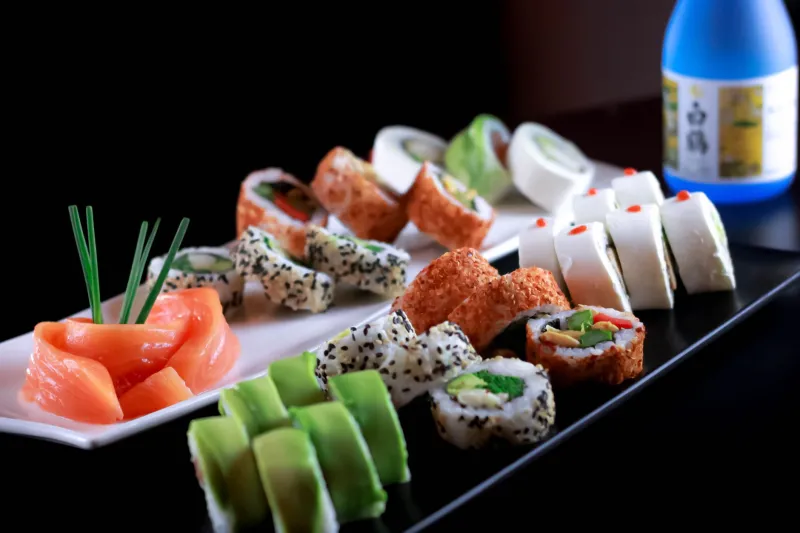
Ask most American diners what they would drink with a fine sushi meal, and the answers cluster predictably: crisp white wine, perhaps a Chablis or a Grüner Veltliner, maybe a light lager. These are reasonable choices. They are not, however, the choices that a sushi chef — or a master sake sommelier — would make. Sake, Japan's ancient fermented rice beverage, is not simply an alternative to wine. It is, in the context of sushi, the most purposefully compatible pairing available. Understanding why begins with understanding what sake actually is.
Dissolving a Common Misconception
Sake is frequently described as rice wine, a label that is both technically imprecise and practically misleading. Wine is produced through the fermentation of fruit sugars. Sake is brewed through a process far closer to beer production, in which starches are converted to sugars before fermentation occurs. The result is a beverage of remarkable complexity — capable of expressing delicate florals, deep umami, mineral austerity, or rich, almost creamy weight — depending on the rice variety used, the degree to which the rice is milled, the water source, and the regional brewing tradition from which it emerges.
This complexity is precisely what makes sake so valuable at the sushi counter. Wine, for all its virtues, carries tannins, acidity, and residual fruit character that can compete with the clean, precise flavors of raw fish. Sake, by contrast, contains naturally occurring amino acids — including glutamates — that harmonize with the umami compounds present in fish, nori, and aged soy sauce. Rather than contrasting with the food, sake tends to amplify it.
The Language of Sake: A Practical Primer
For American guests encountering a sake list for the first time, the terminology can feel daunting. A brief orientation makes the experience considerably more navigable.
Junmai refers to sake brewed using only rice, water, yeast, and koji mold, with no added distilled alcohol. These sakes tend to be fuller-bodied and more savory — well-suited to richer fish and cooked preparations.
Ginjo and Daiginjo designations indicate that the rice has been milled to at least 40 and 50 percent of its original size, respectively. Greater milling removes the outer layers of the grain, which contain fats and proteins that can contribute heavier, earthier flavors. The result is typically a more aromatic, refined sake with lighter, often floral or fruity character — an excellent match for delicate white-fleshed fish.
Nigori sake is intentionally left partially unfiltered, producing a cloudy, slightly sweet beverage with a richer texture. It pairs unexpectedly well with spicy preparations and can serve as a counterpoint to the brininess of sea urchin.
Nama sake is unpasteurized and must be kept refrigerated. It offers a lively, fresh quality that makes it particularly appealing alongside lighter, more simply prepared nigiri.
Pairing by Course: Matching Sake to the Sushi Sequence
Just as an omakase meal is sequenced with deliberate attention to how flavors build and recede, sake selection can follow a similar logic — beginning lighter and progressing toward weight as the meal evolves.
Opening Courses: Delicate Fish, Delicate Sake
The early courses of a sushi meal — flounder (hirame), sea bream (tai), young yellowtail (hamachi) — are defined by their subtlety. A highly refined Daiginjo, served well chilled, complements these preparations beautifully. Its aromatic lift and clean finish do not overpower the fish's gentle sweetness. Think of it as a beverage that illuminates rather than competes.
For guests more accustomed to white wine, a well-chosen Daiginjo occupies a recognizable register — light, aromatic, refreshing — while offering something that wine cannot: a complete absence of competitive acidity or fruit character.
Mid-Sequence: Richer Fish, Fuller Sake
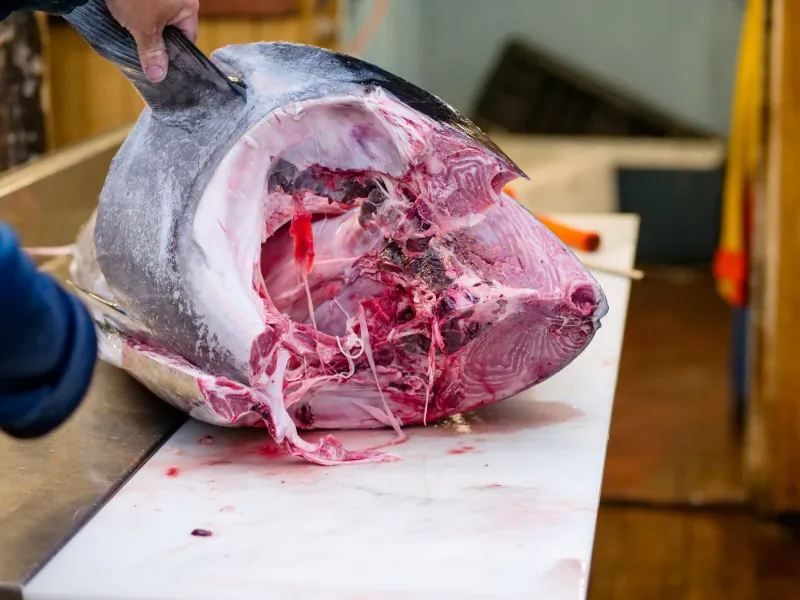
As the meal moves into bluefin tuna — particularly the fattier chutoro and otoro cuts — a lighter sake may feel outmatched. This is the moment for a Junmai Ginjo: still refined enough to avoid heaviness, but with sufficient body and savory depth to meet the richness of the fish. The amino acids in the sake engage with the fat of the tuna in a way that creates a sensation of coherence rather than contrast.
Salmon belly, mackerel, and sardine — fish with pronounced, oily character — also benefit from sakes with a bit more structure. Some chefs recommend a warm Junmai at this stage, noting that gentle warming opens the savory, earthy notes in the sake and creates a sense of comfort that mirrors the richness of the fish.
Sea Urchin and Shellfish: An Unexpected Harmony
Sea urchin (uni) is among the most challenging ingredients to pair successfully. Its intensely oceanic, almost creamy quality can overwhelm delicate beverages while clashing with assertive ones. Sake, particularly a well-made Junmai with a slightly briny, mineral quality, navigates this challenge with elegance. The shared umami compounds in both the sake and the uni create a resonance — a sensation of flavors reinforcing rather than interrupting each other.
Scallop (hotate) and sweet shrimp (amaebi), with their natural sweetness and clean oceanic character, pair beautifully with lightly chilled Ginjo sakes whose subtle fruit notes echo the shellfish's sweetness without overpowering it.
Sake and Terroir: Japan's Regional Brewing Traditions
One concept that resonates strongly with American wine enthusiasts is terroir — the idea that the environment in which a product is made leaves a discernible imprint on its character. Sake is equally subject to this influence, though it expresses itself differently.
The water used in brewing is perhaps the most significant regional variable. The soft water of Kyoto's Fushimi district produces sake that is gentle, smooth, and approachable. The harder water of Nada, in Hyogo Prefecture, yields sake with more assertive structure and pronounced umami — what brewers describe as kara-kuchi, or dry. Niigata Prefecture, known for its cold winters and pure snowmelt water, produces sake of remarkable delicacy and restraint, a style called tanrei karakuchi that pairs exquisitely with the clean flavors of premium sushi.
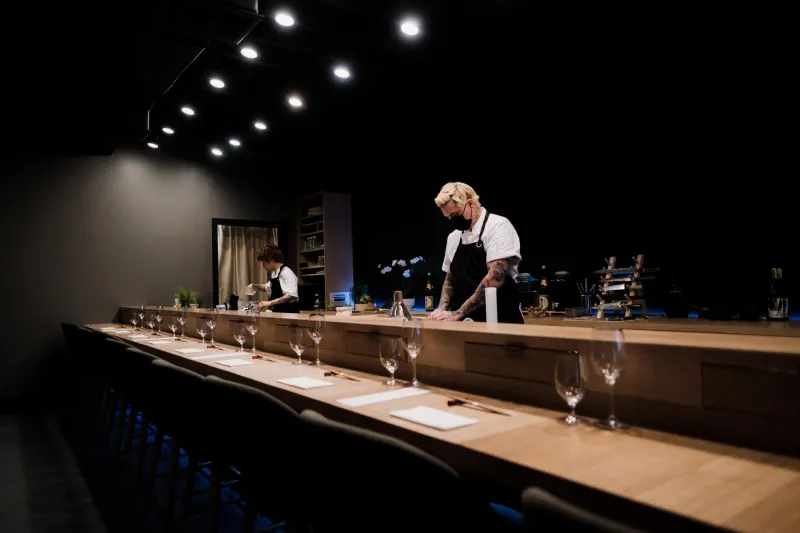
At Ikeda Osushi, the sake selection reflects this regional diversity deliberately. Guests are encouraged to explore beyond a single style, approaching the sake list with the same curiosity they might bring to a wine cellar organized by appellation.
A Conversation Worth Having
The most effective way to navigate a sake pairing at a premium sushi restaurant is simply to ask. The staff at Ikeda Osushi are prepared to guide guests through the list with reference to the evening's specific preparations, personal flavor preferences, and familiarity with sake styles. No prior knowledge is required — only an openness to discovery.
What many guests find, upon that first well-matched pairing, is that sake does not merely accompany sushi. It completes it. The two emerged from the same culinary tradition, shaped by the same ingredients and the same respect for seasonal precision. When they appear together at the table, the result is not a pairing so much as a reunion — two expressions of the same culture, arriving at the same moment.