Acquired Taste, Earned Pleasure: How American Diners Learned to Love Sushi's Quieter Brilliance
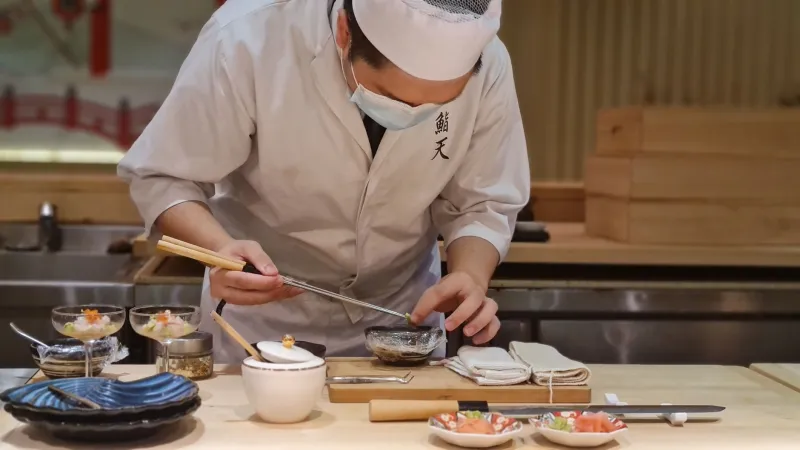
There is a particular moment that many guests experience at a traditional sushi counter — a moment of stillness between bites, when the palate registers something it cannot quite name. It is not sweetness, not salt, not the bright acidity of citrus. It is something older and more elusive: the deep, resonant satisfaction that Japanese cuisine has always called umami. For much of American dining history, that moment arrived and passed unrecognized. Today, it is precisely what discerning diners are seeking.
The story of how the United States arrived at this point is not simply a tale of expanding culinary horizons. It is the story of an entire food culture undergoing a slow, deliberate maturation — one driven by home kitchens, craft beverages, generational shifts in dining philosophy, and a growing dissatisfaction with flavor that shouts rather than speaks.
The Era of Amplification
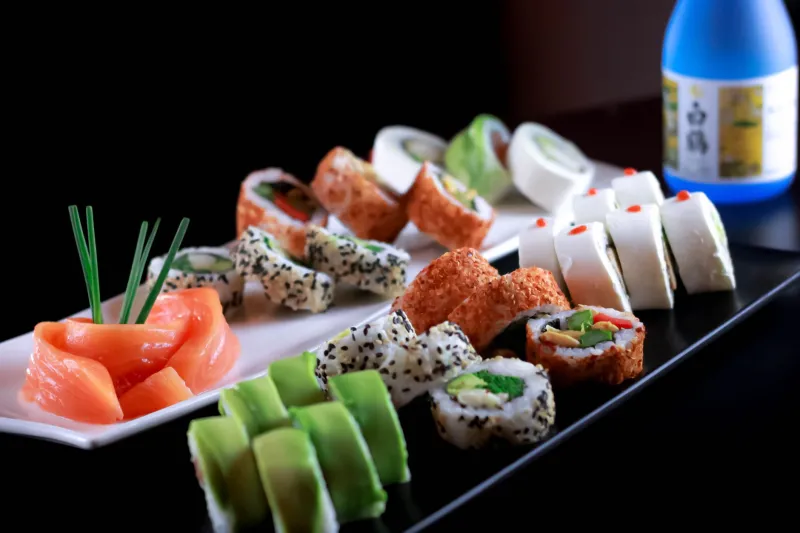
When sushi first gained mainstream traction in American cities during the 1980s and 1990s, the culinary landscape favored intensity. Restaurants competed on boldness: spicy mayonnaise, tempura crunch, rivers of eel sauce, and rolls engineered to deliver maximum stimulation in a single bite. These creations were not without merit — they served as an accessible bridge for a population largely unfamiliar with raw fish and fermented rice. But in their enthusiasm for palatability, they obscured the very qualities that define authentic Japanese sushi.
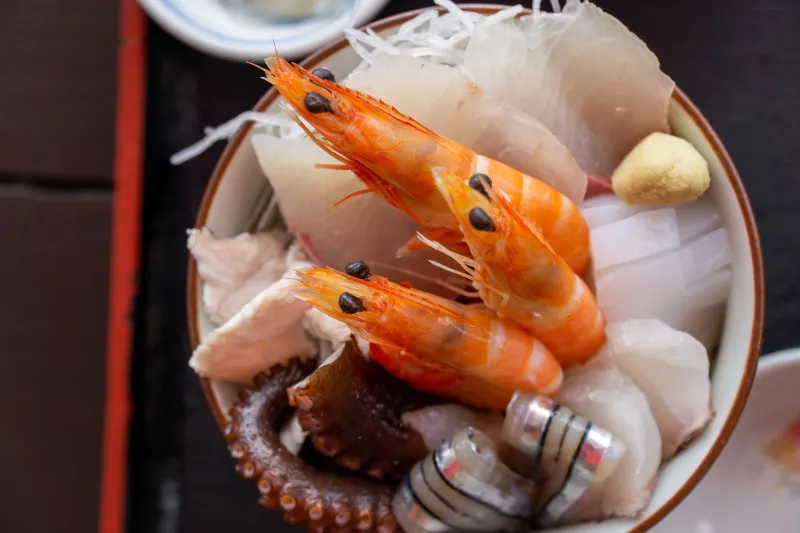
Traditional nigiri, by contrast, is a study in restraint. A slice of properly aged bluefin tuna placed over hand-pressed shari asks the diner to slow down, to notice the way fat dissolves against the tongue, to register the gentle acidity of the vinegared rice, to appreciate the whisper of wasabi placed between fish and grain by a chef who has spent years calibrating that ratio. These are flavors that do not announce themselves. They accumulate.
For a generation raised on ranch dressing and barbecue sauce, that accumulation was easy to miss.
The Education Happening in Everyday Kitchens
Something significant changed in American home cooking over the past two decades. The rise of food television, culinary podcasts, and ingredient-forward cooking content introduced millions of households to concepts that were once the exclusive domain of professional kitchens. Miso paste became a pantry staple. Dashi appeared in home recipes. Fermented foods — kimchi, kombucha, aged cheeses — moved from specialty stores to grocery chain endcaps.
This shift matters enormously for how Americans now encounter sushi. A diner who has spent a Sunday afternoon making a simple dashi broth at home already understands, on some level, the particular savory depth that comes from kombu and dried bonito. They have tasted the way umami lingers rather than spikes. When they sit before a piece of well-sourced hirame at a traditional counter, they are not encountering that quality for the first time — they are recognizing it.
Familiarity, in this context, is not the enemy of wonder. It is its precondition.
Craft Beverages as Palate Training
The craft beverage movement has played an equally significant, if less obvious, role in preparing American palates for traditional sushi's subtlety. Specialty coffee culture introduced millions of consumers to the discipline of tasting without sweetener — learning to identify the natural fruit notes in an Ethiopian pour-over, or the chocolate undertones in a Brazilian espresso. Natural wine communities built entire vocabularies around earthiness, minerality, and controlled oxidation. Craft beer enthusiasts learned to appreciate the bitterness of a well-hopped IPA not as punishment but as complexity.
These are all exercises in the same fundamental skill: finding pleasure in flavors that do not conform to the sugar-salt-fat formula that dominates mass-market food. A diner trained in that discipline arrives at the sushi counter with a more sophisticated instrument at their disposal. They are prepared to sit with ambiguity, to let a flavor develop, to resist the impulse to reach for soy sauce before the fish has had a moment to speak for itself.
Sake, too, has contributed to this evolution. As American interest in Japanese rice wine has grown — supported by dedicated importers and a new generation of sommeliers specializing in Japanese beverages — diners have developed an appreciation for umami-rich, low-acid pairings that complement rather than compete with delicate fish. That appreciation loops back directly to the sushi experience itself.
Generational Shifts at the Table
Millennial and Generation Z diners have brought a distinctly different set of values to restaurant culture. Where previous generations often measured a meal's success by abundance and novelty, younger American diners increasingly prioritize provenance, technique, and authenticity. They research chefs before booking. They read about fishing practices. They want to understand what they are eating and why it matters.
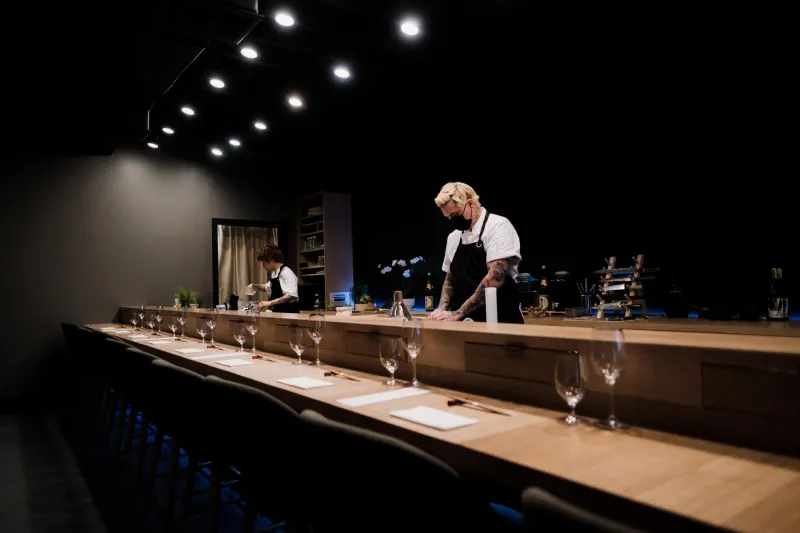
This orientation is ideally suited to traditional sushi. The omakase format — in which the chef selects and sequences each course — rewards exactly the kind of curious, attentive diner who arrives having done their homework. It is not a passive experience. It demands engagement, and it returns that engagement with layers of meaning: a piece of fish that expresses its season, a rice temperature calibrated to the ambient conditions of a particular evening, a garnish chosen to draw out a specific quality in the protein beneath it.
For diners who have grown weary of spectacle, this precision is its own form of luxury.
What the Palate Learns Over Time
There is a useful analogy in the world of fine cheese. Few people encounter aged Parmigiano-Reggiano for the first time and immediately appreciate the crystalline texture, the depth of fermentation, the way the salt seems to arrive in waves rather than all at once. Appreciation is built through exposure, through comparison, through the gradual development of a reference library in the mind. The same principle applies to traditional sushi.
A diner's first encounter with a properly prepared piece of kohada — the gizzard shad that is among the most technically demanding fish in the Edomae tradition — may register simply as briny and firm. A second encounter, months later, begins to reveal the way the vinegar cure interacts with the fish's natural oils. By the third or fourth sitting, the diner is beginning to understand why kohada is considered one of the truest tests of a sushi chef's skill.
This is not a process that can be rushed, and it is not one that can be replicated by a sauce-heavy roll. It requires ingredients of genuine quality, a chef of genuine training, and a diner willing to trust the process.
A Culture Ready to Receive
American food culture has not abandoned its appetite for pleasure. It has simply developed a more refined understanding of where that pleasure lives. The diners arriving at traditional sushi counters today are not seeking austerity — they are seeking the particular satisfaction of a flavor fully realized, an ingredient treated with the respect it deserves, a meal that rewards attention rather than merely rewarding hunger.
At Ikeda Osushi, that understanding shapes every decision made at the counter, from the sourcing of each fish to the temperature of the rice to the precise moment a piece of nigiri is placed before a guest. The American palate has done the work of becoming ready. The sushi has always been waiting.