Your First Seat at the Counter: A Sensory and Emotional Guide to Omakase at Ikeda Osushi
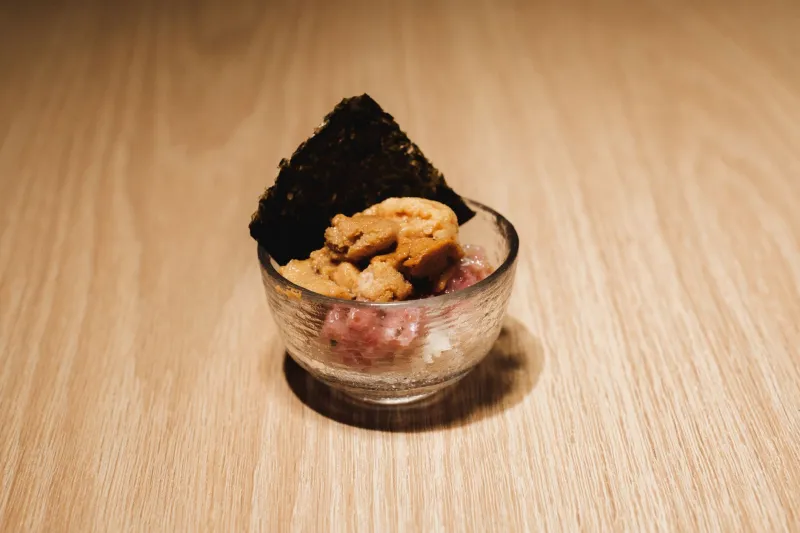
The word omakase translates, roughly, as "I leave it to you." For many American diners encountering a premium sushi counter for the first time, those four words carry an unexpected emotional charge. Surrendering the menu — the primary instrument of control in most American dining experiences — requires a degree of trust that does not come naturally in a culture built around customization and choice.
What follows is not a list of rules. It is an orientation. A way of understanding what you are about to experience at Ikeda Osushi so that the unfamiliar becomes something to anticipate rather than something to navigate nervously.
Arrive With Appetite, Not Anxiety
The most practical advice for any first-time omakase diner is also the most overlooked: eat lightly beforehand. An omakase progression at Ikeda Osushi is designed as a complete culinary arc, moving through textures, temperatures, and intensities in a sequence the chef has carefully considered. Arriving already full compresses your ability to appreciate that arc in the way it was intended.
Beyond the physical, arrive with a certain openness of attention. The omakase counter is not a place where the experience is delivered to you passively. It asks something of the diner — a willingness to be present, to notice, to taste with some degree of deliberateness. This does not require expertise. It requires only that you bring your full attention to the room.
The Counter Is Not a Stage — It Is a Conversation
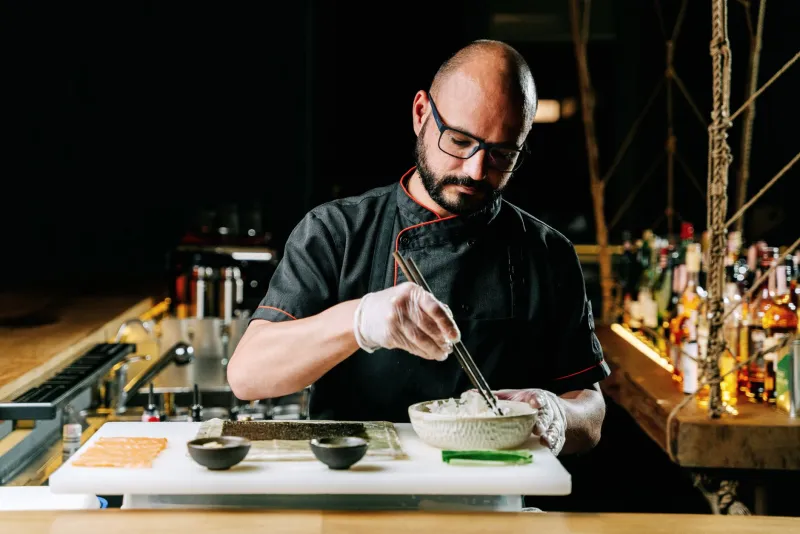
One of the most common misconceptions about omakase dining is that the counter is a performance space where the chef performs and the diner watches. In the finest establishments, the dynamic is more reciprocal than that. The chef is reading the diner throughout the meal — noting reactions, adjusting pacing, sometimes modifying what comes next based on what they observe.
At Ikeda Osushi, this attentiveness is a core part of the service philosophy. The chef is not simply executing a fixed program. They are responding to you — to the pace at which you eat, to the expressions that cross your face, to the questions you ask and the ones you do not.
This means that genuine engagement from the diner is welcome. You do not need to be an authority on Japanese cuisine to participate meaningfully in this exchange. Simple, honest responses — expressing genuine curiosity about a particular fish, acknowledging when something surprises you — are far more valued than performed expertise.
What You Will Taste, and When
A well-constructed omakase progression follows an internal logic that becomes clearer in retrospect. At Ikeda Osushi, the sequence typically moves from lighter, more delicate flavors toward richer, more assertive ones. This is not arbitrary. It reflects a deep understanding of how the palate functions over the course of a meal.
Early courses tend to feature fish with clean, subtle profiles — pieces that reward attention without demanding it. White-fleshed fish, lightly seasoned, served with minimal adornment. As the meal progresses, the flavors deepen. Fattier cuts appear. Preparations that involve curing, aging, or more complex seasoning arrive at moments when the palate is primed to receive them.
For a first-time diner, the key is to resist the impulse to rush toward the pieces you recognize or to skip past ones that seem unfamiliar. The sequence is intentional. A piece of flounder served early in the progression is not less important than the toro that arrives later — it is doing a different kind of work, preparing your palate for what follows.
When to Ask Questions — and How
The omakase counter is one of the few dining environments where direct conversation with the chef is not only acceptable but encouraged. At Ikeda Osushi, the chefs at the counter are accustomed to diners who want to understand what they are eating, and they welcome questions that come from genuine curiosity.
The most productive questions tend to be specific rather than general. Rather than asking broadly about the menu, ask about the particular fish in front of you — where it came from, how it was prepared, why it is being served at this point in the meal. These questions demonstrate engagement and often open doors to insights that enrich the rest of the experience.
Timing matters as well. The moment a piece is placed in front of you is the moment it was intended to be eaten — the temperature, texture, and seasoning are calibrated for that instant. A question that delays eating by several minutes works against the chef's intentions. Save longer conversations for natural pauses in the progression rather than the moment of service.
The Subtler Signs of a Successful Meal
Experienced omakase diners develop an ability to read the counter — to notice the small signals that indicate a meal is going well. For first-timers, some of these signs are worth knowing.
When a chef offers an unprompted explanation of a particular piece — volunteering information about its origin or preparation without being asked — it is often a sign that they are pleased with the engagement at the counter. Similarly, small additions or variations that were not announced at the outset of the meal sometimes appear when a chef senses a diner who is genuinely receptive.
At Ikeda Osushi, these moments are not theatrical gestures. They are expressions of a culinary dialogue that develops naturally over the course of an attentive meal.
After the Final Piece
Omakase meals at establishments of this caliber tend to conclude with a deliberate sense of resolution — a final piece or a closing course that signals the arc is complete. For many first-time diners, this moment arrives sooner than expected. The meal does not end because the kitchen has run out of ideas. It ends because the progression has reached its natural conclusion.
What often follows is a kind of quiet satisfaction that is different from the fullness of a conventional restaurant meal. It is the feeling of having experienced something that was assembled specifically for you, in real time, by someone who was paying close attention.
That feeling is what Ikeda Osushi is designed to produce. And for first-time diners willing to bring their full attention to the counter, it tends to be the beginning of a much longer relationship with serious sushi.