Seasoned Before It Reaches You: The Case for a Lighter Hand with Soy Sauce

The Bottle and the Bite
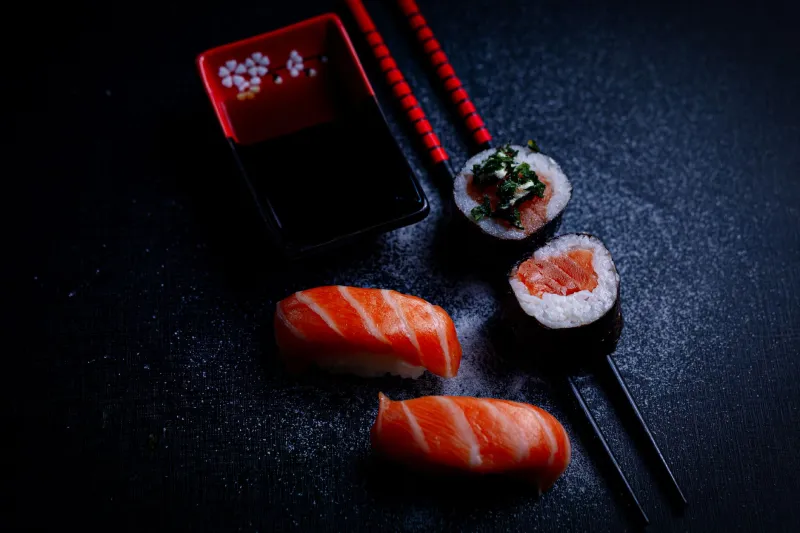
At a premium sushi counter, the soy sauce bottle can be the most misleading object in the room. It looks like an invitation. It sits within reach, often in a small ceramic vessel, and for many American diners it represents a familiar ritual: pick up the nigiri, turn it fish-side down, and dip. That habit is understandable. Soy sauce is one of the most recognizable flavors in Japanese cooking, and for decades it has served as an entry point for Americans learning to eat sushi.
But at a serious counter, the bottle is not the beginning of the experience. It is, at most, a supporting character. The chef has already made decisions about salt, acidity, aroma, temperature, and texture before the piece reaches the plate. When a guest dunks a fully seasoned piece of nigiri, those decisions can disappear into a pool of salt and liquid.
This is not a matter of etiquette for its own sake. It is a question of whether the diner tastes what the chef intended. At Ikeda Osushi, as at many premium counters across the United States, the goal is not to withhold soy sauce but to place it where it belongs: in the chef’s hand, used sparingly, and applied with purpose.
What the Chef Has Already Done
Sushi is often described as simple, but the simplicity is deceptive. A single piece of nigiri may involve rice seasoned with vinegar, sugar, and salt; fish that has been aged, cured, marinated, or simply sliced at its peak; and a small amount of wasabi or a brushed glaze that adjusts the final balance. Each of those steps is a seasoning decision.
When a chef brushes soy sauce onto a piece of fish, the goal is rarely to make it taste like soy sauce. The goal is to add a thin layer of salinity and umami that complements the fish without masking it. The brush allows control. A few strokes can season the surface evenly, while a heavy pour can overwhelm the delicate fats and natural sweetness that make premium fish worth serving.
Some fish benefit from a touch of soy before service. Others are better served with none at all. A chef may use a lighter hand with a soft, pale fish and a slightly more assertive touch with a richer cut. The decision is made piece by piece, often in response to the fish’s condition that day. This is why the question is not whether soy sauce belongs at the counter. It is whether the guest needs to add more after the chef has already answered the question.
Wasabi Is Not a Paste to Dissolve
In many American sushi restaurants, wasabi arrives as a green paste beside the ginger, and diners are encouraged to mix it into a bowl of soy sauce. At a premium counter, that practice is usually unnecessary and often counterproductive. The chef may already have placed a small amount of wasabi between the fish and the rice, or brushed it lightly onto the fish. The amount is deliberate.
Wasabi is not simply heat. Good wasabi has aroma, a brief sharpness, and a clean finish. When it is dissolved into soy sauce, those qualities flatten into a single salty burn. The chef’s intended contrast—the quiet sweetness of the rice, the richness of the fish, the lift of the wasabi—becomes harder to perceive.
For guests who enjoy more heat, the better approach is to ask. A chef can often adjust the wasabi on a specific piece or offer guidance about which pieces already carry it. The request is simple, and it respects the fact that the counter is a conversation, not a buffet of condiments.
Texture Is Part of the Seasoning
Soy sauce does more than add flavor. It adds liquid. On a piece of nigiri, that liquid can change the way the fish and rice feel in the mouth. A delicate slice of fish may become slick or dense. The rice, which is meant to be seasoned but not wet, can begin to break down. The nori on a hand roll may soften faster than intended.
Premium sushi is built on contrasts: the temperature of the fish against the body temperature of the rice, the resistance of a clean cut, the tenderness of aged fish, the separate grains of rice that hold together without becoming a paste. A heavy dip can blur those contrasts. The bite becomes saltier, but not necessarily more complex.
This is why chefs often speak about the first bite as a complete composition. The piece is already balanced. The guest’s role is to receive it, not to re-engineer it. A lighter hand with soy sauce is not a rejection of flavor. It is a way of keeping texture, temperature, and aroma in the same frame.
A Practical Guide for the Soy Sauce Habit
Diners who are accustomed to dipping do not need to abandon the habit overnight. A few adjustments can make a meaningful difference.
First, taste the piece as it is served. Take the first bite without adding anything. If the chef has brushed the fish, the seasoning is already there. If the piece feels complete, leave it alone.
Second, if soy sauce is offered, use it sparingly and apply it to the fish, not the rice. A small dab on the corner of the fish is usually enough to understand whether additional salt is needed. Avoid soaking the rice, which absorbs liquid quickly and can change the texture of the entire bite.
Third, do not mix wasabi into the soy sauce by default. Taste the wasabi the chef has provided. If more heat is desired, ask for it directly. The request is more precise, and the result is more controlled.
Fourth, pay attention to the pace. Omakase is served in sequence, and each piece is designed to follow the one before it. A heavy dip early in the meal can dull the palate for the pieces that follow. A lighter touch keeps the palate awake.
The Pleasure of Paying Attention
The soy sauce question is ultimately a question about attention. The bottle is not the enemy. It is a tool that has its place. But at a premium counter, the most interesting flavors are often the ones that are already on the plate: the clean edge of a knife cut, the warmth of rice, the faint sweetness of aged fish, the aromatic lift of fresh wasabi.
At Ikeda Osushi, the intention is not to make dining feel restrictive. It is to make the chef’s work legible. When a piece arrives seasoned and balanced, the guest is being offered a complete thought. The best response is often the simplest one: taste it first, then decide whether anything else is needed. More often than not, the answer is nothing at all.